
Everyone thinks
you’ve made it.
Except you.
This is the Talent Trap. The better you are, the harder it is to get out. But it’s possible.
15 years at Scanline/Netflix · 120+ artists coached · VES Montreal member
Three stories. Maybe yours.
Before you explain anything, you need to recognize yourself in someone else. These archetypes are based on dozens of real people.
Hong, the composer
10:26pm. The cursor hovers over “Add to cart.” Canon R5. $4,500. He doesn’t need 45 megapixels. He needs something to do tonight.
He buys gear for projects he’ll never start. His daughter puts her hand on his chest: “I’m happy when you’re here, daddy.” He pauses. He doesn’t click anymore.
Sofia, the composer
Post-production studio, 11:15pm. The director is twenty-nine, full of opinions, and tone-deaf.
Netflix gives her eighteen months. She should be happy. On her desk, a SSD with her personal project: The Wolf Dance. She hasn’t opened it in six months.
Emma, the creative director
The opening. Six months of production. Twenty-two people. Everyone is impressed. Emma stands in the back of the room.
She started to create. She ended up creating the conditions for others to create. It’s not the same thing.
Hong, Sofia, and Emma aren’t exceptions. They are the silent majority.
It’s not a personal failure. It’s a system.
When someone becomes very good at what they do, the system around them has an interest in keeping them there. Not out of malice. Out of efficiency.
The Competency Trap
The more competent you are, the more you’re useful exactly where you are. Mastery becomes a soft prison.
Levitt & March, 1988Talent Hoarding
75% of managers actively keep their best people. Not out of malice. Out of fear of losing what works.
Keller & Dlugos, 2023The Peter Principle
The best artists become managers because they were the best artists. Not because they wanted to manage.
Benson, Li & Shue, 2019The Golden Handcuffs
The salary, the reputation, the safety. They don’t stop you from leaving. They make leaving impossible to picture.
Devadason, 2017of the world’s workers are in quiet quitting. Not out of laziness. But because of loss of meaning.
Gallup, 2023of managers admit to blocking mobility for their best people.
Keller & Dlugos, 2023Being trapped doesn’t mean you made a wrong choice. It means you succeeded too well.
The 10 warning signs of the Talent Trap
The trap doesn’t scream. It whispers. Here are 10 warning signs—almost ordinary. That’s what makes them dangerous.
Chronic Sunday night anxiety
A lump in your throat thinking about Monday. Every week.
Deep boredom despite high skill
Boreout produces the same symptoms as burnout.
Feeling invisible
You deliver. No one sees it. Your name is in small print.
Persistent imposter syndrome
52 to 82% of tech pros feel it. Often the most competent ones.
Unexplained physical symptoms
Insomnia, back pain, tension. Your body refuses what your mind accepts.
Withdrawal from creative projects
The hard drive with the hand-written label. It’s been closed for six months.
Quiet quitting
The bare minimum. Not out of laziness—but out of lack of meaning.
Identity confusion
“Who am I outside this role?”
Crisis of meaning
You’re good at what you don’t want to do anymore.
Intense cynicism
Toward the industry, the clients, the colleagues.
How many do you recognize? The diagnosis only takes 5 minutes.
Free Diagnosis →Two types of talent. Only one sets you free.
Digital
Talent
World Economic Forum, 2023
Organic
Talent
This is your most precious talent.
The trap uses your digital talent to keep you. The way out is your organic talent.
With large-scale AI deployment, this distinction matters more than ever. Anything digital will be automated. What’s organic won’t be.
Six locks. Not your fault.
You’re not irrational. You’re human. These neurological mechanisms protect you. They’re real, documented, and have exactly the look of a good reason to change nothing.
Fixed Mindset
“I’m made for this, not for anything else.” Identity fused with job. If I’m not the best composer, who am I?
Sunk cost
“I’ve already invested 15 years.” Accumulation becomes your prison. The more you invest, the more you keep going—even if it’s the wrong decision.
Cognitive dissonance
“I’m happy and I’m bored.” Both are true. The brain chooses whichever is cheaper to maintain.
Imposter syndrome
“If I change, people will see I’m less solid.” The twist: 52 to 82% of tech pros feel it. Usually the most competent.
Learned helplessness
“I tried. It didn’t work. May as well stick around.” When the system blocked you enough, your brain learns to stop trying.
Loss aversion
Losses hurt twice as much as equivalent gains. What you might lose feels more real than what you could gain. It’s neurological.
A lock you see is less powerful than a lock you do not see.
He was in the trap. He got out.

“My body was telling me to stop. I had such a stubborn mouse cramp that I couldn’t click anymore. My doctor called it musculoskeletal disorder. I knew it was something else.”
Arne was layout lead on Marvel and Star Wars. Technically top notch. Then Generative AI video came out. In just weeks, what VFX artists took years to master became accessible to anyone with a prompt.
“It’s like I had to start all over,” he told me. So I asked him a simple question: What do you do that others don’t, regardless of the tools?
What Arne had, and no AI could generate, was his hunger. His proactivity. His way of trying new things before they became trends. His organic talent.
But the real breakthrough didn’t come from the tools. In fact, he realized he could build something where his wife writes scripts, composes the music, and their daughter is his favorite actress!
“I was starting to wonder if there was a future for me. Coaching turned that moment of frustration into a moment of hope.”
You’ve read this far. Don't miss this.
You don’t solve the trap by looking at it. You solve it by taking a first small action. Two options. Both are free.
The Talent Trap Escape Kit
The diagnosis that tells you which form of the trap you’re in. 5 minutes.
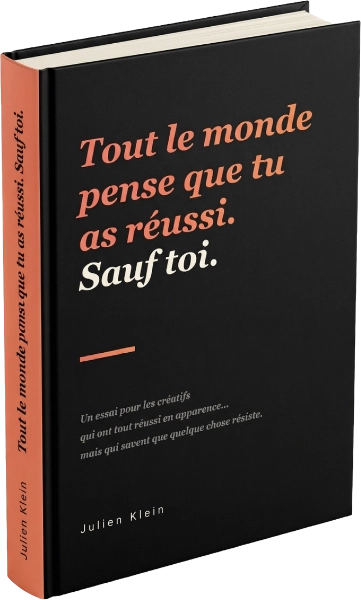
The Talent Trap
“If I could do this, you can do what this book suggests. This book was born out of a conversation I had just before someone passed away. It’s written so that you can have your renaissance.”
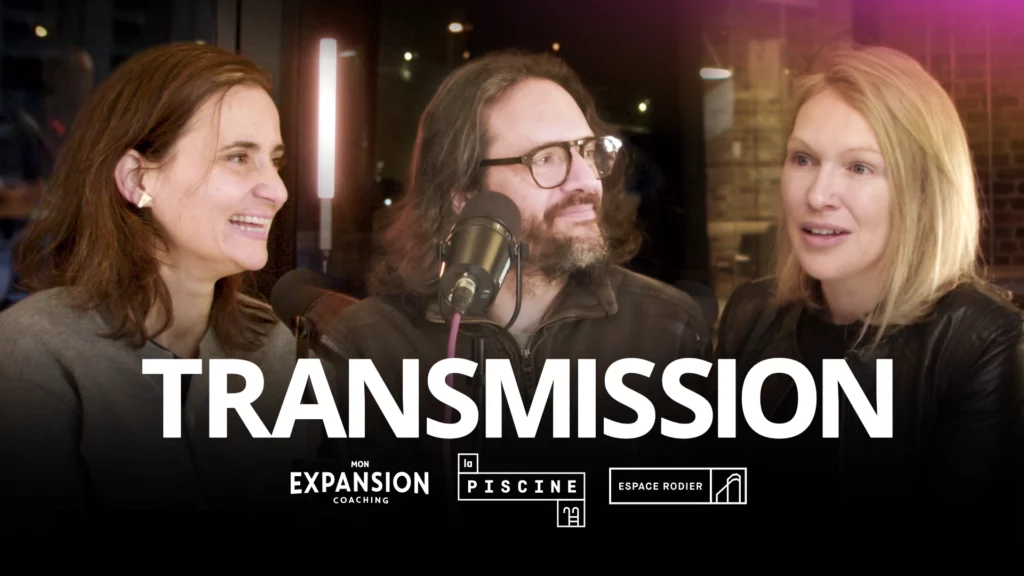
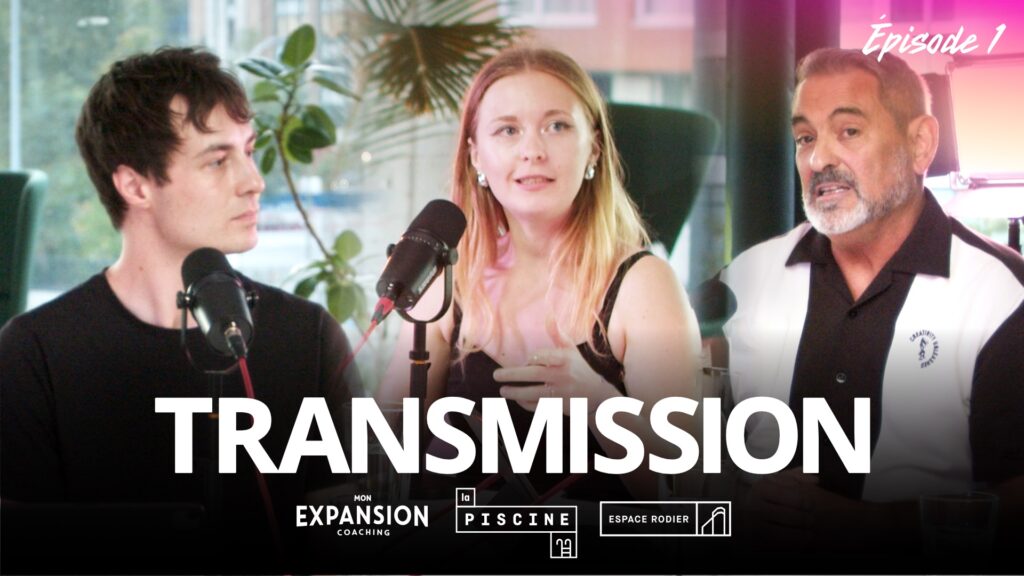
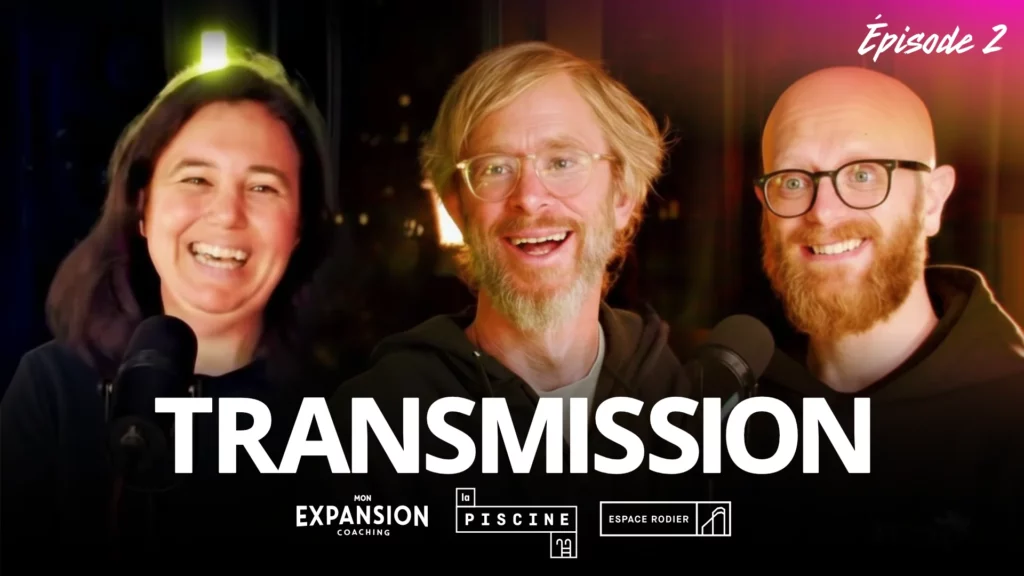
Transmission.
The talk show that dissects the Talent Trap. Recorded at La Piscine, Montreal.
Don’t miss what’s next
Get notified when the next episode of Transmission is released, plus exclusive insights on the creative industry in Montreal.